
Q & A Gabriela Maciel about TAL | Tech Art Lab
On Practice, Process, and the Role of Artistic Research
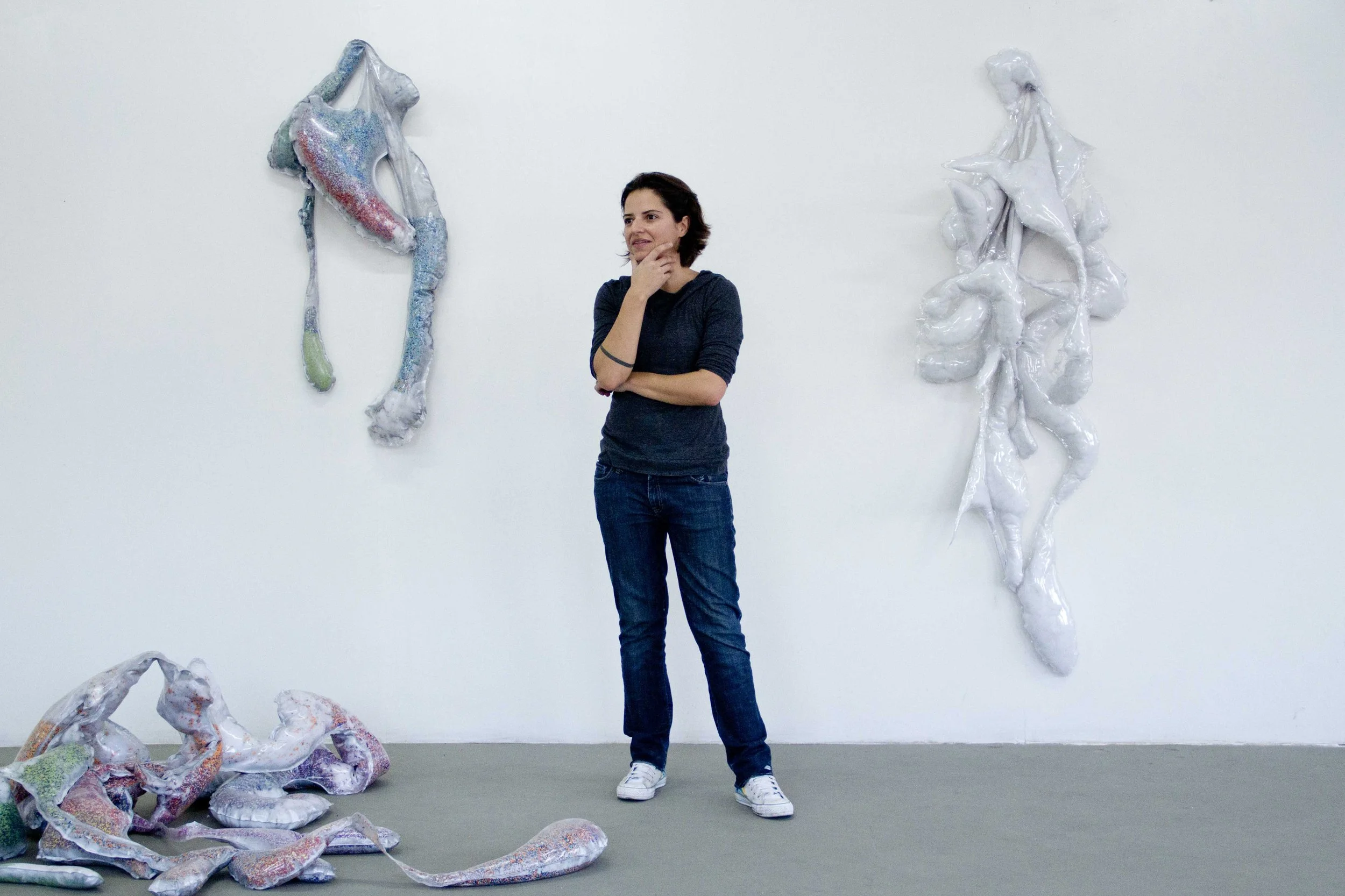
TAL founder Gabriela Maciel. An artist, curator, and cultural producer.
Founded in Rio de Janeiro in 2010, TAL | Tech Art Lab is less an institution than a living organism—one that grows through dialogue, experimentation, and sustained international exchange. Conceived by artist, curator, and cultural producer Gabriela Maciel, TAL operates at the intersection of art, science, technology, society, and the environment, fostering platforms where artistic practice becomes a mode of research and public engagement rather than a fixed outcome. Educated at Central Saint Martins, University of the Arts London, with formal training in Brazil at EBA–UFRJ, she has developed projects across Brazil, Europe, and Asia, exhibiting and curating in museums, galleries, and cultural institutions worldwide. In the Q & A, Gabriela Maciel talks about practice, process, and the role of artistic research.
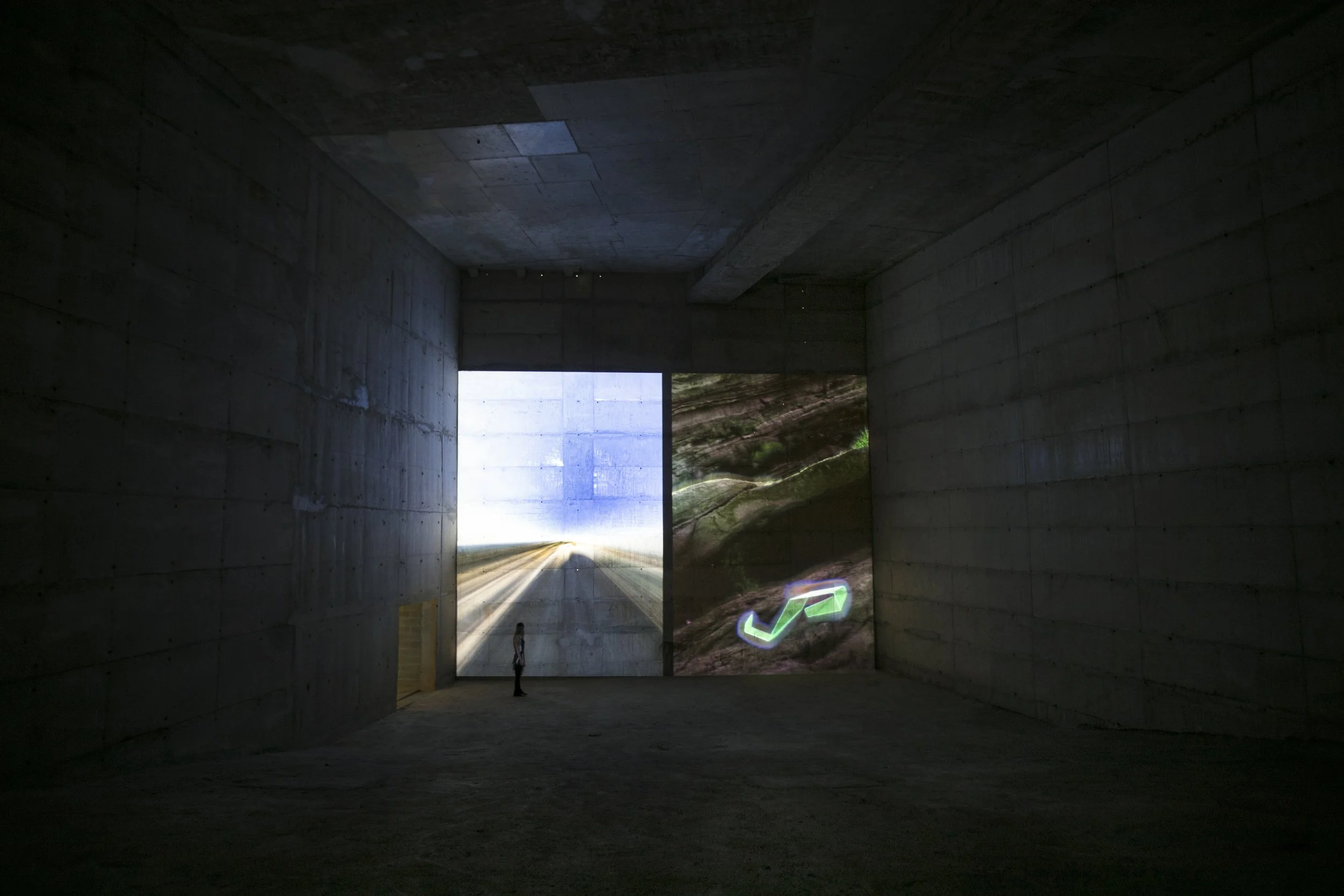
Digital Provocateurs, The Wrong – New Digital Art Biennale, Cidade das Artes, Rio de Janeiro, 2018. Installation view. Image: site-specific installation by Oskar Metsavaht.
What began as an extension of Gabriela Maciel’s own studio and curatorial practice—situated in the port zone of Rio de Janeiro—gradually evolved into an independent exhibition space, and later into a transdisciplinary ecosystem encompassing exhibitions, residencies, laboratories, festivals, study groups, and digital programmes. Over the years, TAL has hosted artists, researchers, and practitioners from diverse fields and geographies, positioning Rio de Janeiro as both a physical site and an epistemological field for inquiry.
Rather than adhering to disciplinary boundaries, TAL is grounded in a philosophy of interconnected systems. Its projects engage with urgent contemporary questions—climate change, biodiversity loss, technological acceleration, and social transformation—through artistic methodologies that privilege sensibility, critical imagination, and collective thinking.
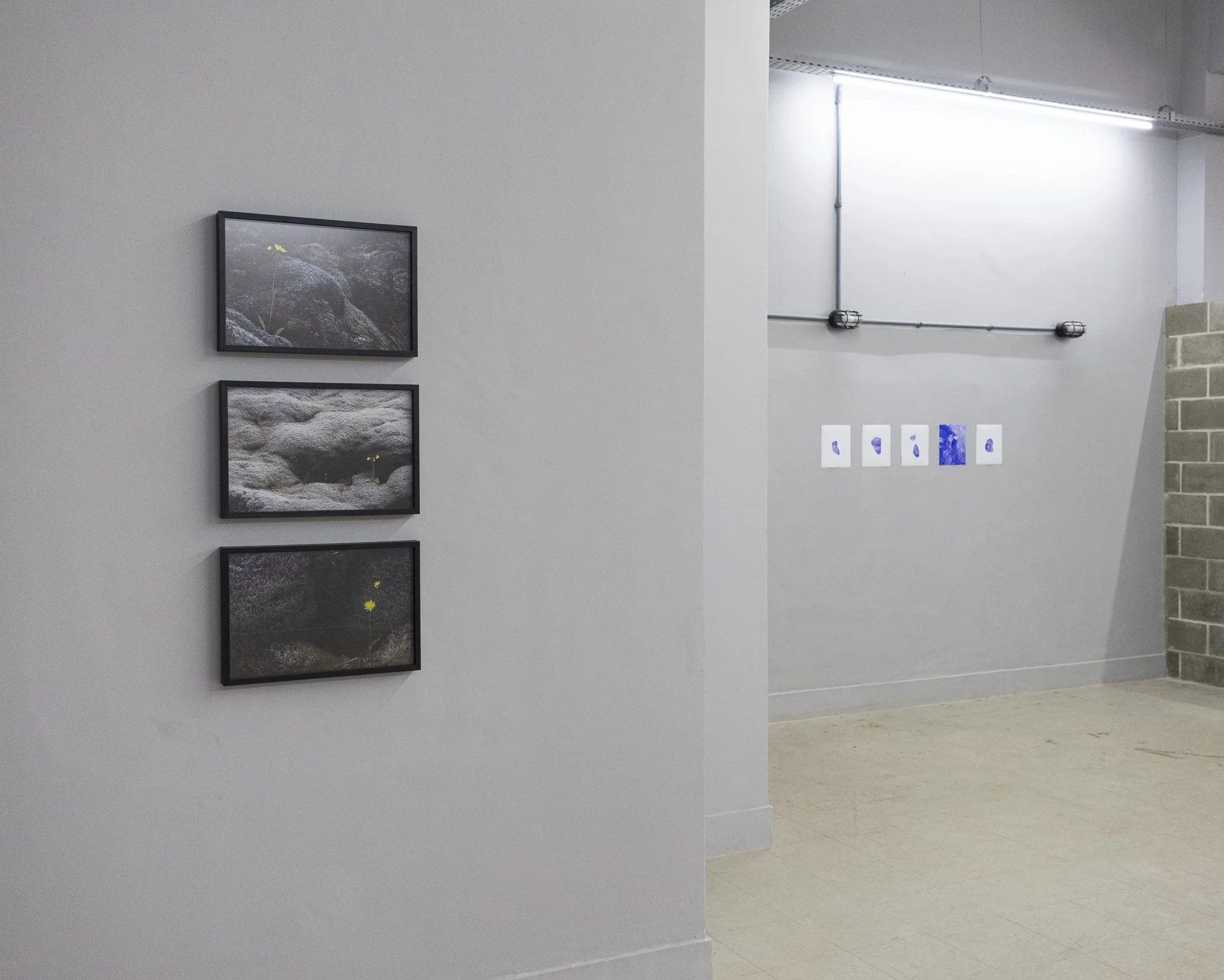
Installation view, TAL Residency, Campo Expandido / Expanded Field 2025. Left, work by José Kós; right, work by Fabian Albertini and Juliana Curvellano. Photo: Paula Pedrosa. Courtesy of TAL Residency.
Q & A with TAL Founder Gabriela Maciel
Could you introduce TAL | Tech Art Lab and the vision behind founding the platform? What inspired you to create TAL, and what role do you see it playing within the contemporary art ecosystem today?
TAL | Tech Art Lab is an evolving organization dedicated to artistic research and cultural production. Through creative processes and collaborative inquiry, it seeks to connect art, science, technology, society, and the environment, encouraging dialogue between different forms of knowledge and modes of practice.
The initiative began in 2010, in the port zone of Rio de Janeiro, at a former chocolate and candy factory where my studio was located. At the time, I was developing my own artwork for exhibitions in galleries and museums, but I felt a growing need to create a space that could also show artists’ works that were not yet represented by commercial galleries and whose practices were rarely visible within Brazilian cultural institutions.
One of TAL’s first projects was hosting the multimedia Dotmov festival from Shift Japan in Rio de Janeiro. What began informally as an extension of my artistic network and studio practice gradually became an independent exhibition space. Experimentation and exchange expanded into curatorial works developed at TAL and through commissioned projects in museums, galleries, and cultural centres.
From the outset, TAL was conceived as a hybrid platform—simultaneously an exhibition space, cultural initiative, and multimedia label—presenting artists from different parts of the world, working across diverse media and languages. Over time, it evolved into a broader ecosystem of artistic research that now includes exhibitions, festivals, residencies, laboratories, study groups, courses, consultancy, and international partnerships.
Today, I see TAL less as an institution and more as a living organism—one that facilitates encounters between artists, curators, scientists, researchers, and thinkers. It is a space where different forms of expertise intersect and where new methodologies can be tested, contributing to critical reflection on our past, present, and future.
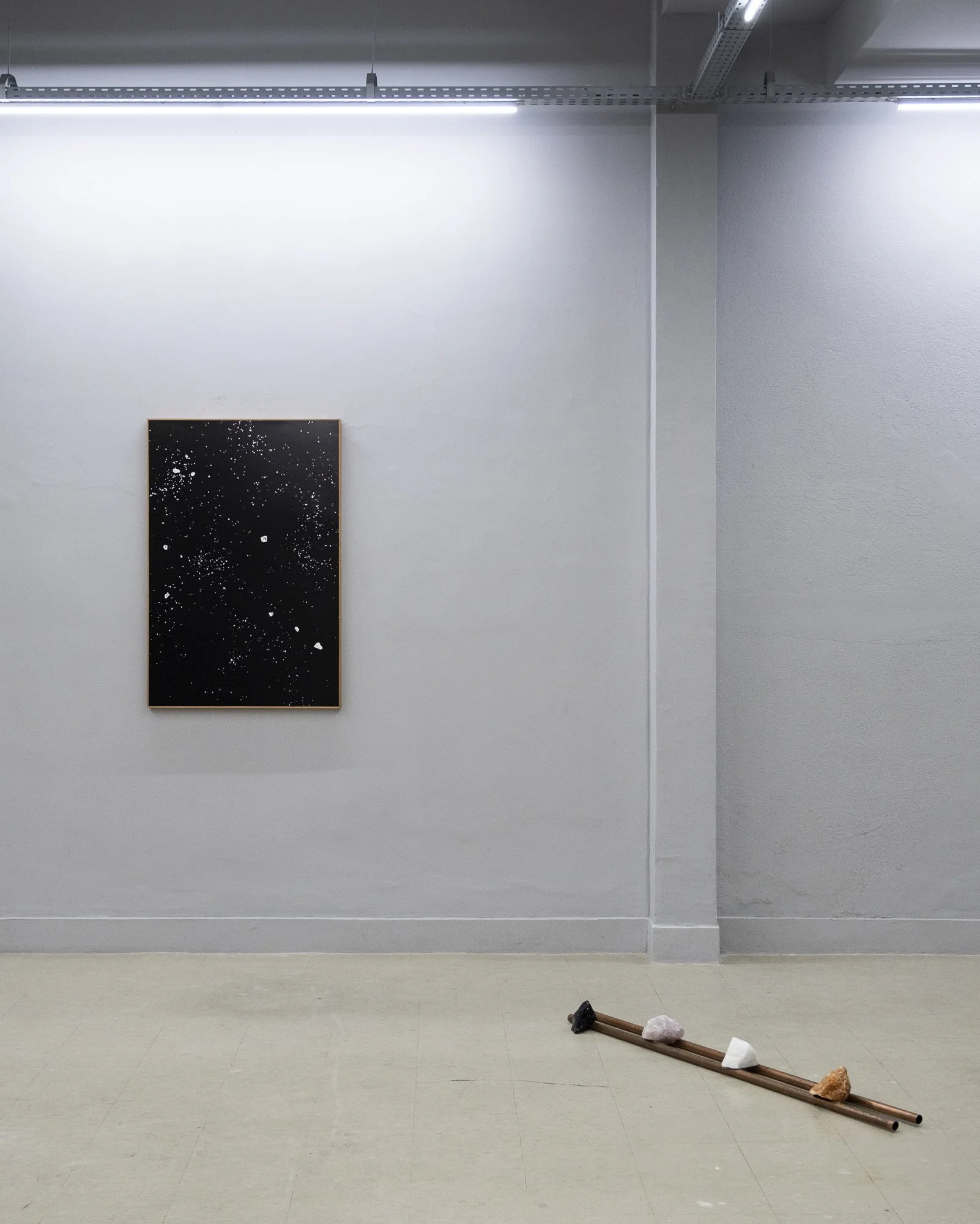
Installation view, TAL Residency, Campo Expandido / Expanded Field 2025. Image: Work by Fabian Albertini and Juliana Curvellano. Photo: Paula Pedrosa. Courtesy of TAL Residency.
TAL focuses on transdisciplinary practices that connect art, nature, and technology. Why are these intersections particularly important right now?
We are living in a period of profound transformation. Climate change, hyper-digitalisation, and global crises are reshaping how we experience and interpret the world. In this context, interconnected approaches become essential. Art, science, ancestral knowledge, and digital technologies can function as collaborative fields to address planetary emergencies.
These intersections open possibilities for approaching contemporary challenges from multiple perspectives. Artistic practices can make invisible systems perceptible, translate scientific knowledge into experiential forms, and create emotional or sensory connections with complex issues that might otherwise remain abstract.
Importantly, these collaborations are not necessarily oriented toward definitive answers. Instead, they create spaces for reflection, speculation, and critical imagination. Often, the most valuable outcome is the emergence of new questions that allow us to rethink the relationship between humans and ecosystems.
How does the residency programme at TAL differ from more traditional artist residencies? What kind of environment and resources do you aim to provide for artists during their time in Rio de Janeiro?
The residency programmes at TAL are open to artists, curators, researchers, and practitioners from all fields. They are structured for both individuals and groups. The SOLO Residency Program is tailor-made to address the specific goals and needs of a single artist, duo, or small group, while other programmes host more heterogeneous residency groups.
In all cases, the programmes comprise dialogue, exchange, fieldwork, networking, research, production, and presentation. Timeframes vary, combining in-person and online meetings depending on the objectives and partnerships involved.
A key dimension is the relationship between the residency and its surrounding context. The programme does not exist apart from the city in which it takes place. Rio de Janeiro itself becomes an active component of the experience—its landscapes, ecosystems, cultural institutions, and social dynamics often shape the projects developed by residents.
Rather than functioning as conventional studio programmes, TAL residencies operate as open creative laboratories: spaces where participants can test ideas, take risks, and expand their practices through sustained one-on-one or group exchange.
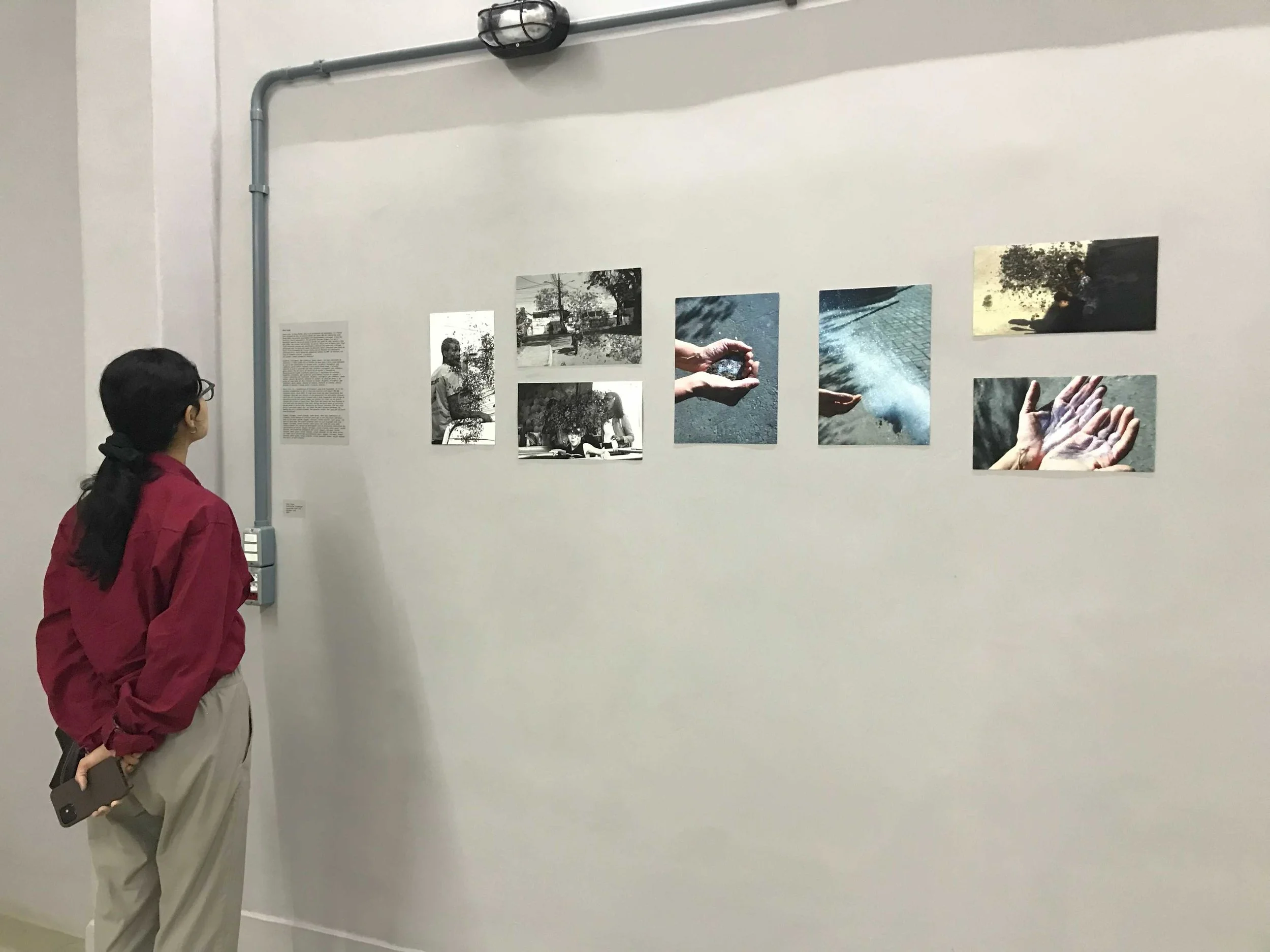
Installation view, TAL Residency, AR / AIR 2025. Collaboration between TAL Residency, Instituto Rubens Gerchman and Museu de Arte Moderna do Rio de Janeiro (MAM Rio). Image: Work by Theo Tajes. Photo: Courtesy of TAL Residency.
Many of TAL’s projects involve international collaboration. How important is this global exchange for the platform and for the artists you work with?
International exchange is central to TAL’s philosophy. Contemporary artistic practice is increasingly shaped by global networks, and many of the questions artists address today—such as climate change or technological transformation—extend far beyond national boundaries.
By facilitating international collaborations, TAL creates frameworks that support global initiatives while remaining attentive to local knowledge and cultural specificity. These exchanges often lead to further exhibitions, publications, and long-term collaborations for participating artists.
Your work as a curator, artist, and producer spans several continents. How have these experiences influenced the way you shape TAL’s programmes and research initiatives?
Working across different cultural contexts has strongly shaped how I approach collaboration. My practice has developed through exhibitions and projects in Brazil, Europe, and Asia, and these experiences reinforced my interest in creating platforms where diverse perspectives can converge.
Rather than focusing on disciplinary boundaries, I try to develop frameworks that encourage dialogue between artists, scientists, designers, educators, and researchers. International collaborations have also taught me the importance of listening and adaptability. Curatorial work becomes not only about defining outcomes but about cultivating conditions for shared inquiry and unexpected connections.
TAL has developed various formats, from residencies and exhibitions to labs, study groups, and digital programmes. How do these formats contribute to the platform’s overall research and experimentation?
Each format plays a distinct role, yet they are all interconnected. Residencies provide intensive environments for research and development. Exhibitions make these processes visible to the public. Laboratories and workshops encourage hands-on experimentation, while study groups and educational programmes support deeper theoretical engagement.
Digital initiatives expand access and enable international exchange. Together, these formats form a continuous cycle of research, experimentation, production, and dissemination, allowing TAL to function simultaneously as a research platform and a space for cultural production.
In recent years, TAL has hosted artists working across digital practices, ecological research, and scientific inquiry. What kinds of artistic approaches or questions particularly interest you when selecting residents?
Openness to diversity is essential. TAL welcomes a wide range of concepts, languages, aesthetics, media, and formats. I’m particularly drawn to artists who approach their work with curiosity, a willingness to experiment, and an interest in dialogue.
Projects that engage critically with environmental transformation, technological change, social dynamics, or emerging relationships between humans and other forms of life tend to resonate strongly. The residency is conceived as a space for immersion and exchange, and artists who are open to sharing processes often gain the most from the experience.
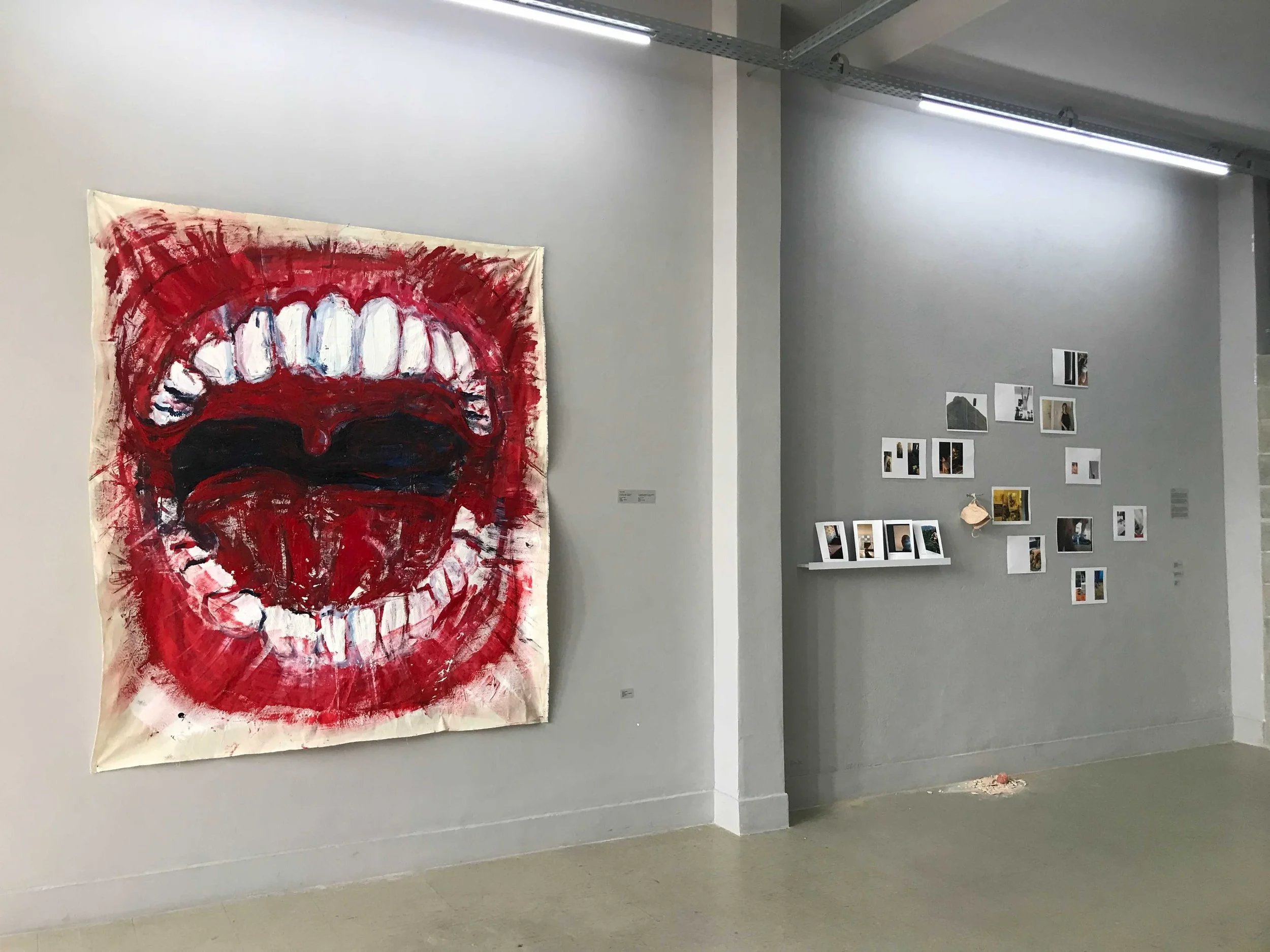
Installation view, TAL Residency, AR / AIR 2025. Collaboration between TAL Residency, Instituto Rubens Gerchman and Museu de Arte Moderna do Rio de Janeiro (MAM Rio). Image: left, work by Tuca Sodré; right, work by Marian Starosta. Courtesy of TAL Residency.
Looking ahead, what are the next directions for TAL? Are there any upcoming projects, collaborations, or themes you are especially excited about exploring?
In 2026, TAL completes 16 years of existence. My hope is that it continues to evolve as a space where dialogue, imagination, and realization can take place.
I intend to further expand international collaborations with cultural, social, and environmental institutions. Themes such as culture, biodiversity, climate change, and the relationship between humans and ecosystems will remain central, while remaining open to new conceptual and technical frameworks that emerge from future collaborations.
Strengthening networks of artists and researchers interested in inter- and transdisciplinary approaches for more sustainable futures remains a continuous guideline.
About Gabriela Maciel

Gabriela Maciel is an artist, curator, and producer who founded TAL Tech Art Lab in Rio in 2010. Photo: Courtesy of TAL Residency and Gabriela Maciel.
Gabriela Maciel (b. 1977, Rio de Janeiro) is an artist, curator, and producer whose work consistently navigates between artistic creation, research, and institutional collaboration. Educated at Central Saint Martins, University of the Arts London, with formal training in Brazil at EBA–UFRJ, she has developed projects across Brazil, Europe, and Asia, exhibiting and curating in museums, galleries, and cultural institutions worldwide.
Her practice is marked by a sustained interest in art as a bridge between knowledge systems—linking scientific research, ecological thinking, digital cultures, and ancestral forms of knowledge. This approach informs not only her own artistic work but also the conceptual architecture of TAL, which she founded and continues to direct.
In parallel with her curatorial and artistic trajectory, Maciel has collaborated with institutions such as Museu do Amanhã, Casa Museu Eva Klabin, Futuros – Art and Technology Museum, and international platforms including The Wrong – New Digital Art Biennale, where she has served as curator and ambassador for Rio de Janeiro.
Find out more about TAL here: